
What Is a Terrarium? A Beginner’s Guide to Creating Your Own Miniature Garden
Have you ever wished you could bring a little piece of nature indoors?
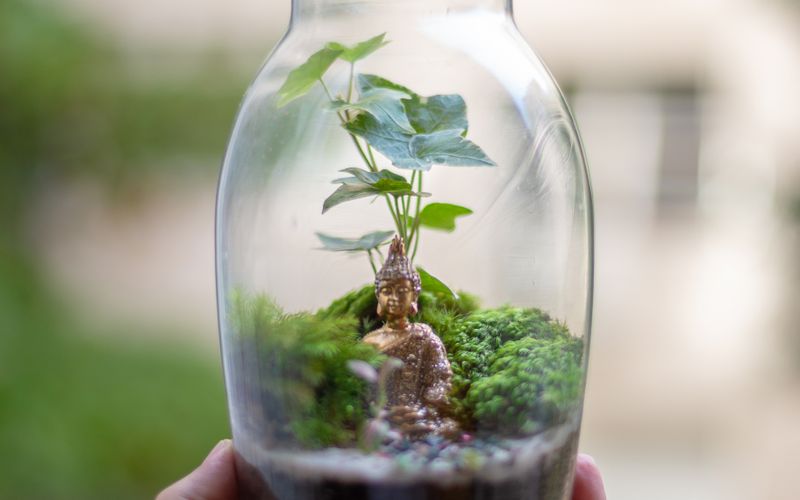
A terrarium is a beautiful and creative way to do exactly that. It is a miniature garden created inside a glass container, where plants grow in a carefully arranged environment. With the right plants, soil, moisture, light, and decorative elements, a terrarium can become a tiny living ecosystem that brings nature, beauty, and greenery into your home or workspace.
Terrariums can be simple enough for beginners or highly detailed creations designed as miniature landscapes. They are perfect for homes, offices, restaurants, reception areas, and as unique gifts for plant lovers.
What Is a Terrarium?
A terrarium is a small indoor garden enclosed or partially enclosed within a transparent container, usually made of glass.
The glass allows sunlight to reach the plants while also allowing you to enjoy the miniature landscape from different angles. In closed terrariums, moisture released by the plants and soil can condense on the glass and return to the growing medium, creating a small water cycle.
A terrarium can contain:
- Small tropical plants
- Mosses
- Ferns
- Fittonia
- Peperomia
- Miniature foliage plants
- Decorative stones and rocks
- Natural wood or driftwood
- Sand
- Soil and other growing media
- Decorative figurines
The final result is a miniature landscape that combines plants, natural materials, and creative design.
How Does a Terrarium Work?
One of the most fascinating things about a terrarium is the way it can create a miniature growing environment.
In a closed terrarium, moisture from the soil and plants evaporates and rises inside the container. When it comes into contact with the cooler glass surface, it condenses into tiny water droplets. These droplets eventually run back into the soil.
This creates a small-scale version of the water cycle.
However, a terrarium is not a completely self-sustaining ecosystem. Plants still require appropriate light, temperature, airflow, nutrients, and occasional maintenance.
Types of Terrariums
Terrariums can generally be divided into two main categories.
1. Closed Terrarium
A closed terrarium has a lid or cover that helps retain humidity.
It is particularly suitable for plants that enjoy:
- High humidity
- Consistent moisture
- Warm conditions
- Indirect or filtered light
Tropical plants and mosses are commonly used in closed terrariums.
Closed terrariums can develop a beautiful natural atmosphere, with condensation appearing on the glass as the miniature water cycle operates.
2. Open Terrarium
An open terrarium does not have a sealed lid. Because excess moisture can escape, it provides a drier environment.
Open terrariums are suitable for plants that prefer:
- Lower humidity
- Better airflow
- Less frequent watering
- Drier growing conditions
Succulents and certain drought-tolerant plants can work well in open terrariums, provided the container and growing medium provide adequate drainage.
What Plants Are Suitable for Terrariums?
Choosing the right plants is one of the most important parts of creating a healthy terrarium.
For humid terrariums, popular choices include:
- Fittonia – Known for its attractive patterned leaves.
- Moss – Excellent for creating a natural forest-floor appearance.
- Miniature Ferns – Add a soft, woodland character.
- Peperomia – Compact plants with attractive foliage.
- Selaginella – Creates a lush green ground-cover effect.
- Small Tropical Plants – Suitable for creating miniature jungle landscapes.
For open terrariums, suitable options can include:
- Haworthia
- Small Echeveria varieties
- Sedum
- Other compact succulents
The most important consideration is not simply the appearance of a plant, but whether its light, humidity, watering, temperature, and growth requirements match the terrarium environment.
What Goes at the Bottom of a Terrarium?
A terrarium is usually built in layers.
A typical arrangement may include:
1. Drainage Layer
Small pebbles, gravel, or other suitable materials can help create a space for excess water.
2. Activated Charcoal
A thin layer of activated charcoal is sometimes used in terrariums, particularly in enclosed setups, as part of the growing-medium design.
3. Growing Medium
A suitable soil or terrarium substrate is added according to the plants being used.
4. Plants
Plants are carefully positioned to create the desired composition.
5. Decorative Layer
Moss, stones, wood, sand, and other natural elements can be used to finish the landscape.
The exact layering method can vary depending on the container, plants, substrate, and terrarium design.
Why Are Terrariums Popular?
Terrariums have become increasingly popular because they combine gardening and creativity in a very small space.
Bring Nature Indoors
A terrarium can add natural greenery to places where a conventional garden may not be practical.
Ideal for Small Spaces
You don't need a large balcony, garden, or outdoor area. A small glass container can hold a miniature landscape.
Decorative and Artistic
A terrarium is more than just a collection of plants. The arrangement of rocks, wood, moss, soil, and plants can create a miniature scene.
Interesting for Plant Lovers
Watching plants grow inside a carefully designed glass environment can be a rewarding hobby.
Unique Gifts
A beautifully designed terrarium can make a memorable gift for birthdays, housewarmings, anniversaries, corporate occasions, and other celebrations.
Terrarium vs. Paludarium: What Is the Difference?
Terrariums and paludariums are often confused because both can recreate miniature natural environments.
A terrarium primarily focuses on land-based plants and a terrestrial environment.
A paludarium, on the other hand, combines land and water in the same setup. It can include terrestrial plants, aquatic plants, water features, rocks, wood, and sometimes small aquatic or semi-aquatic inhabitants.
In simple terms:
Terrarium = primarily land
Paludarium = land + water
Both can be designed as beautiful miniature ecosystems, but their construction, plants, filtration, lighting, and maintenance requirements can be quite different.
How Much Maintenance Does a Terrarium Need?
One of the advantages of terrariums is that many designs require relatively little maintenance compared with conventional indoor gardens.
However, low maintenance does not mean no maintenance.
Depending on the type of terrarium, you may need to:
- Monitor moisture levels
- Remove dead or unhealthy leaves
- Trim plants when they become too large
- Clean the glass
- Remove excessive condensation
- Adjust lighting
- Watch for fungal growth or pests
- Occasionally add water
The maintenance requirements depend largely on whether the terrarium is open or closed and which plants have been selected.
Where Should You Keep a Terrarium?
Terrariums generally perform best in a location with bright, indirect light.
Avoid placing a closed glass terrarium in strong direct sunlight, especially near a hot window. The glass can trap heat and cause temperatures inside the container to rise significantly.
Good locations can include:
- Living rooms
- Work desks
- Office reception areas
- Shelves
- Study rooms
- Bedrooms with suitable indirect light
- Restaurants and cafés
- Retail spaces
If natural light is insufficient, an appropriate artificial grow light can also be considered.
Can You Make a Terrarium Yourself?
Yes!
Creating a terrarium can be a fun DIY gardening project.
A basic terrarium may require:
- A suitable glass container
- Drainage material
- Appropriate growing medium
- Suitable miniature plants
- Moss or decorative materials
- Small rocks or stones
- A pair of long tweezers or suitable planting tools
- A small amount of water
The key is to select plants that have similar environmental requirements. Combining a plant that prefers very dry conditions with one that requires consistently high humidity can make maintenance difficult.
Terrariums as Living Art
One of the most exciting aspects of terrariums is that they allow you to create miniature landscapes.
You can design a terrarium to resemble:
- A miniature forest
- A tropical jungle
- A moss garden
- A woodland floor
- A mountain landscape
- A miniature Zen garden
- A fantasy landscape
With carefully selected plants, rocks, wood, and other natural elements, a simple glass container can be transformed into a living work of art.
Final Thoughts
A terrarium is much more than a glass container filled with plants. It is a combination of gardening, creativity, nature, and miniature landscape design.
Whether you are a beginner looking for an easy indoor gardening project or an experienced plant enthusiast interested in creating detailed miniature landscapes, terrariums offer an enjoyable way to experience nature in a compact space.
At Biya Gardens, we believe that even the smallest space can be transformed into something green and beautiful. A thoughtfully designed terrarium can bring a touch of nature to your home, office, or workspace while becoming a unique decorative feature.
Start small, choose the right plants, observe your miniature garden, and let nature create the magic.